A 10-Point Plan for (Without Being Overwhelmed)

Optical Recognition Makeover
In today’s electronic landscape, we are continuously provided with vast quantities of information, varying from published files and handwritten notes to aesthetic media. read more about in this website One of the most cutting-edge methods of managing and translating this information is with Optical Acknowledgment Makeover (ORT). Learn more about in this homepage. This procedure entails making use of innovative modern technologies to transform various forms of visual info into editable and searchable electronic formats, thereby improving information availability and utility. View more about in this page.

The main modern technology behind Optical Acknowledgment Transformation is Optical Personality Acknowledgment (OCR). Check here for more info. Optical character recognition software application checks physical papers, recognizing characters and converting them right into digital text. Discover more about in this link. This transformation opens up new opportunities for organizations looking to digitize their archives, enhance their operations, and boost data monitoring process. Check it out! in this site. With the rise of machine learning and expert system, today’s optical character recognition systems are extra precise than ever, efficient in recognizing diverse font styles, languages, and handwriting styles.

Beyond text recognition, ORT includes the analysis of photos and diagrams, making it possible for customers to remove beneficial details from graphical material. Read here for more info. As an example, markets such as health care can utilize ORT to digitize person documents, enabling far better information retrieval and evaluation. Click here for more updates. In academia, scientists can convert published research study products into digital styles, boosting cooperation and knowledge sharing. The applications are huge and differed, resulting in improved effectiveness across several sectors. View here for more details.

However, while Optical Recognition Change supplies many advantages, it is not without its difficulties. Click for more info. Irregular text top quality, bad illumination conditions, and intricate formats can impede the precision of recognition systems. To reduce these issues, it is critical to constantly boost the innovation and buy appropriate training and setup for individuals. Read more about in this website. As ORT continues to evolve, these challenges are being resolved through boosted formulas and enhanced pre-processing techniques. Learn more about in this homepage.

To conclude, Optical Acknowledgment Makeover is transforming the way we connect with and utilize info in a digital-first world. View more about in this page. By converting physical and visual information right into editable styles, ORT not just improves performance yet also cultivates a more interconnected and educated culture. Check here for more info. As this modern technology progresses, its applications will unquestionably broaden, causing much more effective information management solutions throughout all industries. Check it out! in this site.

The 5 Commandments of And How Learn More

Crinkle in.Net 10 and C#
Worldwide of shows, the requirement for robust HTTP demands is vital. Curl (Customer for URLs) is a command-line device that has obtained immense appeal for making network demands. [url]Discover more[/url] about in this link. While numerous programmers know with Curl in the context of command-line operations, incorporating it within.NET 10 and C# can offer seamless networking performances for modern-day applications. [url]Learn more[/url] about in this homepage. This blog post checks out exactly how to use Curl-like procedures in.NET 10 and C#, boosting HTTP communication in your projects. [url]Check it out![/url] in this site.

To get started, it is very important to recognize that.NET 10 leverages the ‘HttpClient’ course as its main means of making HTTP requests. [url]Read more[/url] about this article in this website. This makes it easier for designers to manage HTTP operations with a basic and user-friendly API. Check [url]now![/url] for more info. Unlike making use of Curl directly, where you compose commands in the terminal, the ‘HttpClient’ course allows you to compose your requests in an organized way within your C# code. View more about in [url]this website[/url]. For instance, making a GET demand can be completed with just a few lines of code.

Right here’s a basic instance: making use of ‘HttpClient’, you can develop an instance, send out an obtain request, and handle the action. Read [url]here![/url] for more info. This is comparable to a Swirl command where you might be retrieving information from an URL. [url]Click for more[/url] updates. The asynchronous nature of ‘HttpClient’ enables reliable network phone calls without blocking the major string, ensuring that your application remains responsive. [url]Discover more[/url] about in this link.

In addition to obtain requests, you can do POST, PUT, and remove procedures making use of ‘HttpClient’. [url]Learn more[/url] about in this homepage. For instance, sending JSON data in an article demand can be done by serializing your data design right into a JSON string and utilizing the ‘PostAsync’ technique. [url]Check it out! [/url]in this site. The flexibility of ‘HttpClient’ also reaches including custom headers or taking care of authentication, which is usually required in internet APIs. [url]Read more[/url] about this article in this website. This implies that you can easily replicate all the capability you could attain with Swirl, right from your C# application.

Finally, while Swirl is an effective device for making HTTP requests straight from the command line,. Check [url]now![/url] for more info. NET 10 and C# supply a rich set of functions that allow you to carry out equivalent operations effectively and properly. View more about in [url]this website[/url]. The ‘HttpClient’ course simplifies the procedure and gives you much more control over your HTTP communications. Read [url]here![/url] doe more info. By leveraging the innovative abilities of.NET 10, such as asynchronous programming and built-in JSON serialization assistance, programmers can produce robust applications with a focus on efficiency and user experience. [url]Click for more [/url]details. Whether you’re migrating from Swirl or beginning fresh with C#, comprehending how to make use of these functions will definitely enhance your development workflow. [url]Check it out! [/url]in this site.

The Essentials of – The Basics

Mastering the Art of Spreadsheet Modifying
In today’s data-driven world, proficiency in spreadsheet modifying has actually become a crucial ability for both experts and pupils alike. Read more about in this website. Whether you are taking care of economic records, tracking job timelines, or evaluating data collections, recognizing just how to navigate and utilize spread sheet software program can substantially enhance your efficiency. With tools like Microsoft Excel, Google Sheets, and other spreadsheet applications at our disposal, understanding their capabilities is crucial for effective information administration. Learn more about in this homepage.

One of the key aspects of reliable spread sheet editing and enhancing is finding out the essentials of information organization. View more about in this page. Developing clear headers, using suitable data types, and making certain harmony in formatting are essential techniques that can vastly enhance readability and usability. Check here for more info. It is also crucial to capitalize on attributes such as filters and arranging alternatives, which can help you quickly fetch and assess the info you require. By organizing your information well, you set a solid structure for advanced operations. Read here for more info.

Beyond company, grasping solutions and features can take your spread sheet skills to a new level. Discover more about in this link. Solutions allow you to execute estimations immediately, minimizing the time invested in manual calculations. Check it out! in this site. Features such as Amount, AVERAGE, and VLOOKUP can substantially improve your procedures, making data analysis easier and more accurate. Read here for more info. Furthermore, including logical functions like IF and conditional formatting can aid you aesthetically examine patterns and anomalies, supplying much deeper insights into the data you manage. Click here for more updates.

Collaboration is another crucial facet of contemporary spread sheet editing and enhancing. View here for more details. Lots of spread sheet applications allow multiple individuals to gain access to and modify data at the same time, which is incredibly beneficial for group jobs and shared sources. Click for more info. Understanding exactly how to track adjustments, make use of remarks, and protect sensitive details is necessary to ensure that collaboration continues to be efficient and protected. Read more about in this website. As remote work comes to be a lot more common, the ability to share and collaborate on spread sheets flawlessly has actually ended up being an important ability.

Finally, mastering spreadsheet modifying is a very useful skill that can raise your professional capacities and simplify your daily tasks. Learn more about in this homepage. By concentrating on data organization, understanding functions and formulas, and embracing collaborative attributes, you can transform how you collaborate with data. View more about in this page. Investing time in ending up being efficient in these locations will not only improve your performance but additionally place you as a knowledgeable resource in any data-centric atmosphere. Check here for more info.

If You Read One Article About , Read This One

Guide to Picking the Best Custom Decal for Your Vehicle

A well-designed custom decal allows your vehicle to express your personality and stand out with its distinctive look. If your aim is to market your brand, display creativity, or turn heads on the road, your decal selection should be a deliberate process rather than an impulsive decision. Knowing the process of choosing the perfect custom decal for your vehicle helps ensure your final product is durable, polished, and tailored to your preferences. Here’s the link to discover more about this now!

Define Your Purpose

Start by figuring out the exact reason you want to apply a decal to your vehicle. The reason for your decal influences its design, size, location, and even the material used. If you’re using it for advertising, make sure it clearly communicates your message or logo. You can read more here!

Explore Different Decal Options

An essential step in choosing the perfect custom decal for your vehicle involves learning about the different decal types offered. Vinyl options are highly popular since they resist weather damage and require minimal upkeep. If you prefer temporary decoration, static cling decals are ideal since they can be repositioned without causing damage. Just click here and check it out!

Choose the Right Size and Location

The size and placement of your decal dramatically influence its overall appearance. Measure the surface beforehand to confirm that your decal will fit correctly and look balanced. Large graphics stand out with impact, whereas smaller ones offer subtle personalization. See, this site has all the info you need to learn about this amazing product.

Find the Right Color Scheme for Your Decal

Color plays a key role when deciding how to choose the perfect custom decal for your vehicle. The right color combination ensures your design stands out while complementing your car’s paint. For example, bright decals contrast beautifully on dark vehicles, while darker designs look sleek against lighter car colors. You should also think about how your colors will appear under different lighting. This website has all you need to learn more about this topic.

Choose a Decal That Reflects You

Your design should mirror your personality or the idea you want to convey. When customizing for yourself, pick patterns, phrases, or imagery that hold personal meaning. In business contexts, focus on consistency and simplicity with clear visuals and legible typography. When figuring out how to choose the perfect custom decal for your vehicle, remember that a simple approach often yields stronger results. Just click here and check out this website!

Choose Long-Lasting Decal Materials

Longevity is crucial for decals exposed to sunlight, moisture, and dust daily. Quality vinyl endures harsh weather while retaining its original vibrancy. Inferior materials tend to flake or discolor after short-term exposure. See, this site has all the info you need to learn about this amazing product.

Keep Up with Proper Care

How long your decal lasts depends equally on its construction and your cleaning habits. Stay away from rough cleaners and scrubbers that may damage the decal surface. You can read more now about this product here.Opt for mild cleaning agents and soft fabrics during washing to maintain smoothness. When parking outdoors often, protect the decal edges by waxing the nearby areas. Click here to get even more info on the subject!

Consult a Design Expert

While you can create your own design, consulting a professional helps refine your concept. Professionals possess the knowledge of design balance, tone, and printing precision required for quality output. They’ll guide you on resolution settings to prevent pixelation on larger prints. Just click here and check it out!

Turn Your Design into Reality

Understanding how to choose the perfect custom decal for your vehicle gives you the tools to turn an ordinary car into a reflection of your personality or brand. When you carefully select the design, size, material, and color, you create a lasting visual statement that expresses who you are every time you hit the road. With the right planning and attention to detail, your vehicle becomes more than just transportation-it becomes a moving piece of art that tells your story wherever it goes. See, this website has all the info you need to learn about this amazing product.

What Research About Can Teach You

Automobile Painting Solutions: Transforming Your Car Looks
Car paint is greater than just a way to improve the appearance of your lorry; it’s an essential service that can secure your financial investment and extend the life of your cars and truck. Read more about in this website. Whether you’re aiming to entirely alter your vehicle’s shade, repair service damages from a mishap, or simply refresh its appearance, expert vehicle paint solutions can make a significant distinction. Learn more about in this homepage. In this post, we’ll discover the benefits of vehicle painting, how the procedure works, and what you must consider before picking a solution. View more about in this page.

The first and most evident benefit of cars and truck paint solutions is aesthetic renovation. Check here for more info. Gradually, UV rays, environmental pollutants, and typical damage can bring about a drab and faded automobile finish. Discover more about in this link. A fresh layer of paint can recover your car’s initial radiance or offer it a totally makeover. Check it out! in this site. Personalized layouts, matte surfaces, and one-of-a-kind shades are all popular choices that can make your lorry stand apart when traveling. Read here for more info. This not just boosts your driving experience but can likewise boost the resale worth of the auto. Click here for more updates.

One more important aspect to take into consideration is defense. View here for more details. High-grade automobile paints offer greater than just great appearances; they are formulated to protect your cars and truck from rust, rust, and other forms of damage. Click for more info. When applied by specialists, these paints can produce a long lasting obstacle against the components, reducing the threat of degeneration due to weather direct exposure. This implies that buying a great paint task is not only an aesthetic upgrade yet also a smart decision for your automobile’s longevity. Read more about in this website.

When it comes to the painting procedure itself, several key actions are involved to guarantee that you achieve the very best outcomes. Learn more about in this homepage. It typically starts with a detailed cleansing of the automobile to remove dirt and grease. View more about in this page. Any kind of existing paint damages, such as scratches or chips, is then resolved prior to the surface area is topped. Check here for more info. As soon as the guide is set, the skim coat and clear layer are used carefully. Discover more about in this link. This multi-step process emphasizes the importance of selecting a skilled expert or trusted service, as the top quality of preparation and completing can substantially affect the longevity and look of the brand-new paint work. Check it out! in this site.

Prior to picking an automobile painting service, it’s vital to do your research. Read here for more info. Search for evaluations, request for suggestions, and learn about the warranties given. Comprehending the sorts of paint used and the experience of the specialists can additionally save you from future dissatisfactions. Click here for more updates. Eventually, a well-executed paint job can rejuvenate your vehicle, making it really feel all new once again while guarding your financial investment for several years to come. View here for more details.

In conclusion, auto painting services play a crucial duty in keeping not only the appearance however additionally the honesty of your car. Click for more info. Whether you want a vibrant color adjustment or need repair work after a collision, buying specialist car paint can substantially boost both the appearances and the overall value of your auto. Learn more about in this homepage. With the appropriate details and a little bit of research study, you can guarantee that you choose a service that satisfies your needs and exceeds your expectations. Check it out! in this site.

The Path To Finding Better

How to Restore Your Car’s Exterior and Avoid Pricey Errors
The exterior of your vehicle is more than just a shell it as forms the first impression and protects your investment. Time and exposure mean that scratches, swirls, fading, and dents will begin to mar even the most cared-for car. While professional detailing can restore that shine, it often comes with a steep cost. Fortunately, many exterior fixes are feasible for DIYers if you follow careful steps and avoid common mistakes. Follow this guide to learn more about how restore your car’s shine while sidestepping costly errors.

Before launching into repairs, inspect your vehicle carefully for flaws. Walk around the vehicle in bright light and document all the imperfections. Distinguish between superficial flaws and those that require more extensive repair. This step lets you determine whether to DIY or seek professional help. Next, wash and decontaminate the surface thoroughly before attempting any fixes. Avoid household detergents; use a proper car wash solution with a microfiber wash tool. After washing and drying, check whether the paint feels rough-if so, contaminants remain. Decontaminating with clay bar and lube ensures the surface is smooth and safe to polish. Don’t skip decontamination-missing it could turn your repair into damage.

Shallow scratches and deep gouges require different techniques and products. Minor blemishes in the clear coat can often be fixed with polish or a dedicated scratch remover. Apply with a polisher or pad, keeping pressure even and overlapping your passes. For significant damage, clean the area, apply primer, paint, clear-coat, and gently sand. Match the paint to your vehicle’s color code and allow proper curing time. Finish by polishing and waxing the spot so it blends with the rest of the car.
Faded paint often results from oxidized clear-coat, which you can address with proper steps. Clean and decontaminate, then apply a rubbing compound to remove oxidation. Follow with a finishing polish to bring back gloss and clarity. Apply wax or sealant to protect your work and extend longevity. If you want longer-lasting protection, ceramic coatings are an option-just prep carefully. Improper washing and drying often lead to swirl marks and water spots. Swirl marks often disappear under dedicated polish when done properly. Light water spots may be removable with a vinegar-and-water mixture. Use a formulation made for automotive finishes to safely remove tough deposits. A two-bucket method with a grit guard prevents reintroducing particles. Restoring clarity in headlight lenses improves both appearance and safety. Headlight kits typically come with step-by-step tools for polishing and sealing. Mask the paint edges before sanding to avoid accidental damage.

Getting To The Point –

Mastering Vehicle Refinishing: Auto Basecoat Paint Choices and Expert Tips for Flawless Results

An even, well-applied coat of paint can completely rejuvenate a car and enhance its overall appearance. Whether restoring a classic car or refreshing a daily driver, choosing the right auto basecoat paint options plays a vital role in achieving that professional-quality finish. Understanding how to select, apply, and maintain basecoat paints ensures lasting results that turn heads on the road. For more info on this product view here!

Exploring the Different Types of Auto Basecoat Paints

The basecoat layer establishes the underlying tone and color foundation of any automobile. They supply the color depth and saturation, later sealed and brightened by the clear coat for gloss and protection. Today’s auto basecoat paint options offer multiple finishes like solid, metallic, and pearlescent for varied effects.

Each style of basecoat contributes a unique appearance and functional feature to the paint job. Solid basecoats are popular for their simplicity and durability. They deliver uniform color and are often easier to repair if scratches occur. Metallic basecoats, on the other hand, contain fine metal flakes that create a shimmering effect under light, adding depth and sophistication. Pearl finishes integrate reflective pigments like mica to create delicate color transitions that enhance aesthetic appeal from multiple perspectives. This homepage has all the info.

The most suitable basecoat choice is influenced by your aesthetic goals, expertise, and willingness to maintain the paint’s quality. Solid colors are often the easiest for beginners to apply evenly, while metallic and pearl finishes require more precise application to prevent streaks and uneven sparkle distribution.

Begin with a deep clean to strip away grime, oil, and residual wax from the car’s exterior.

After cleaning, sanding with fine-grain paper smooths the body and enhances paint adhesion. After sanding, applying a high-quality primer ensures better adhesion and enhances the color accuracy of your chosen basecoat. The primer also seals any minor surface imperfections and prevents rust from forming beneath the paint. Let the primer dry fully before applying your basecoat to avoid bubbling and rough patches.

Professional Techniques for Applying Basecoat

After prepping the vehicle, attention should shift to the painting method itself. The first tip for professional-quality results is to apply multiple light coats rather than one heavy layer. Using thin layers minimizes streaks and drips while ensuring consistent coloration. Click here for more helpful tips on this company.

Holding the sprayer consistently about six to eight inches away ensures uniform distribution. Smooth and steady strokes are vital for an even paint job. Overlap every spray line by half to help merge color transitions without visible streaks. Allow each coat to flash off-that is, partially dry-before applying the next one. This pause between coats eliminates sagging and strengthens the bond between applications.

Weather conditions, including moisture and heat levels, play an important role in how your paint dries. Painting in a controlled environment where air quality, temperature, and humidity are stable helps avoid defects such as orange peel texture or hazing. If painting outdoors, aim for mild weather and minimal wind.

Adding Depth with the Clear Coat

A clear coat not only protects the basecoat but also enhances its depth and gloss. It forms a protective barrier that preserves color vibrancy against harsh conditions. Use two or three thin layers of clear coat, maintaining the same steady application technique. Just click here and check out this website!

Proper drying time between coats is essential to prevent dull spots or uneven shine. Following the curing stage, sanding and buffing can transform the surface into a gleaming showroom masterpiece. This process removes fine irregularities and enhances the reflectiveness of the surface for a glassy result. See, this site has all the info you need to learn about this amazing product.

Tips for Preserving a Flawless Auto Paint Job

Keeping your new paint job looking fresh requires regular care. Use non-abrasive soap and cloths to maintain a scratch-free shine. Avoid harsh chemicals or abrasive pads that could damage the clear coat. This website has all you need to learn more about this topic.

Use wax or sealant every few months to create protection and preserve the glossy sheen. Minimize long-term sun exposure, since UV rays gradually dull and discolor the paint. Simple habits like covered parking and periodic detailing help extend the lifespan of your auto basecoat paint and preserve that freshly painted look. You can read more about the subject here!

Wrapping Up: Unlocking Professional-Grade Paint Perfection

Selecting premium auto basecoat paint and applying it carefully can completely redefine your vehicle’s look. With thorough preparation, accurate spraying, and consistent care, you’ll achieve a finish comparable to high-end auto detailing. When patience meets precision, your car radiates vibrant color and enduring brilliance. Here’s the link to learn more about the awesome product.

Learning The “Secrets” of

How Paint Coatings Help Your Vehicle Stay Glossy and Worth More

Auto paint coating is an advanced protective layer that helps maintain the shine and durability of your vehicle’s surface.
Those interested in car care often visit a professional page online to discover more and get more about how coatings preserve shine.
Essentially, this coating forms a shield that guards against harmful effects like sun exposure, dust, and water.
UV rays from the sun are among the leading causes of fading, and applying a protective layer helps block them.
Those wanting more info. should check it out! on this page for step-by-step explanations of how coatings work.
These coatings bring out the richness of color and create a mirror-like reflection on the vehicle’s surface.
Having a consistently glossy finish boosts confidence in ownership and pride in maintenance.
If you want to find professional installers, you can click here for more about this service and this company that specialize in paint protection.
Its surface repels water, meaning dirt and grime slide off without effort.
People often talk about how convenient it feels when less effort is needed to keep the car shining.
This strong bond ensures that your vehicle’s finish remains smooth and glossy for an extended period.
You can click here or view here! to compare wax versus coating and decide which suits your maintenance style best.
Coatings block these substances from bonding to the paint, reducing the risk of corrosion and staining.
You can also discover more about coating chemistry on educational automotive blogs and this website.
When potential buyers see a glossy, flawless surface, they perceive the vehicle as newer and well cared for.
Professional reviews suggest that applying a paint coating enhances both aesthetic and financial worth.
The long-term benefits easily outweigh the initial cost of application.
If you’d like more about protective maintenance, simply click here for more details available on the website.
Whether it’s scorching sun or heavy storms, the paint remains intact beneath this durable barrier.
Urban drivers gain the same advantage by blocking pollutants from sticking to the paint surface.
To learn more, visit this page that explains how different climates affect your car’s paint.
Maintaining your car becomes easier once you understand and apply this effective protective method.
Visual proof often helps people learn about the value of coatings and their transformative results.
Knowing your vehicle is well protected gives confidence and pride in ownership.
Several drivers express that coatings make them feel closer to their cars and more responsible for upkeep.
For collectors and enthusiasts, coating application becomes part of a ritual of care.
You can learn more and read more now about coating solutions safe for vintage models.
In recent years, technology has advanced to include self-healing coatings.
To read more here, simply visit this homepage showcasing the future of automotive coatings.
Ultimately, auto paint coating represents progress in how we care for vehicles.

Reference: find out here

How to Processing Blown Film Extrusion

A Comprehensive Guide to Processing Blown Film Extrusion

Understanding the Basics of Blown Film Extrusion

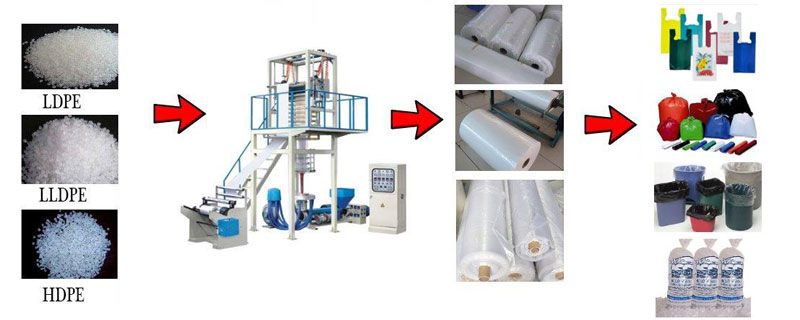
Blown film extrusion is a widely utilized process in the manufacturing of flexible plastic films, crucial for producing numerous products, including plastic bags and other packaging solutions. This method involves the continuous extrusion of thermoplastic material, most commonly polyethylene, which is then transformed into a thin film through a series of intricate steps. The primary purpose of blown film extrusion is to create films that exhibit strength, durability, and versatility, making them ideal for various industrial applications.

The process begins with the use of an extruder, a machine designed to melt and homogenize the plastic material. The extruder feeds plastic pellets into a heated chamber where they are melted and pushed through a die. The die forms the molten plastic into a circular bubble shape, hence the term “blown” film. As the plastic exits the die, air is introduced, inflating the film bubble and determining the film’s final thickness.

Cooling plays a vital role in solidifying the plastic film. A cooling system surrounds the film bubble to lower its temperature and ensure it retains its mechanical properties. Once the cooling process is complete, the film is flattened and wound onto rolls for subsequent use. The standard materials used in blown film extrusion include low-density polyethylene (LDPE) and linear low-density polyethylene (LLDPE), chosen for their favorable characteristics such as flexibility and clarity.

Blown film extrusion holds significant importance across various industries, from agriculture to packaging. Its adaptability allows manufacturers to produce films with differing properties and functionalities, catering to the diverse demands of the market. Understanding these foundational aspects of blown film extrusion is essential for anyone involved in the flexible plastic film industry, providing insight into how this dynamic process operates and its implications for product development.
Key Parameters Influencing Blown Film Quality

The quality of blown film produced through the blown film extrusion process is significantly influenced by several critical parameters. Understanding these factors is essential for optimizing the performance of film blowing machines and ensuring the production of high-quality polyethylene plastic film. Key attributes that determine the final product’s characteristics include melt temperature, die gap, air cooling rate, and specific material properties.

Melt temperature is one of the foremost parameters to control, as it affects the viscosity of the molten polymer. An inadequate melt temperature can lead to poor flow characteristics, resulting in non-uniform thickness and compromised strength of the plastic bag produced. Conversely, excessively high temperatures can degrade the polymer, adversely affecting the clarity and overall quality of the film.

The die gap, which refers to the distance between the die lips where the molten polymer exits, also plays a vital role in determining film thickness and uniformity. A consistent die gap ensures that the extruded film maintains a uniform gauge, preventing defects such as web breaks and inconsistencies in the plastic film’s quality. Furthermore, the air cooling rate, which is essential for cooling the extruded film immediately post-extrusion, directly impacts the physical properties of the film. A well-controlled cooling rate solidifies the film, leading to improved dimensional stability and strength.

In addition to monitoring these parameters, understanding the properties of the raw materials used is crucial. Different polyethylene grades can exhibit varying behaviors during the extrusion process, thereby influencing the resultant film’s characteristics. Implementing robust quality control measures throughout the extrusion process is imperative to maintain consistency and achieve optimal film performance, ensuring that the blown film meets specified standards.

Troubleshooting Common Blown Film Extrusion Issues

The blown film extrusion process can present various challenges that may hinder the production of high-quality plastic films, commonly used in applications such as plastic bags and packaging materials. Understanding the common issues, such as film bubbles, uneven thickness, and surface defects, is crucial for maintaining optimal production standards and minimizing downtime.

One prevalent issue that operators encounter during the blown film extrusion process is the formation of film bubbles. These bubbles often arise from improper die setup or insufficient venting in the film blowing machine. To address this, operators should ensure that the die is properly aligned and that venting channels are clear. Additionally, adjusting the air pressure and extruder temperature can also help eliminate these unwanted bubbles, leading to a smoother polyethylene film.

Another common problem is uneven film thickness, which can result from inconsistent extrusion rates or fluctuating temperatures within the extrusion system. To mitigate this issue, operators should regularly calibrate the film blowing machine and monitor the temperature profiles throughout the extrusion process. Employing an automatic thickness control system can also prove beneficial, as it allows real-time adjustments to be made, ensuring that the final product meets the desired specifications.

Surface defects, such as streaks or dirt particles on the finished plastic film, can drastically affect the quality of the end product. These defects often stem from inadequate cleaning of the extruder or the cooling rollers. Therefore, regular maintenance and cleaning routines should be established to keep the equipment in optimal condition. Additionally, ensuring a clean working environment can prevent contamination during production.

By systematically identifying and addressing these common issues associated with blown film extrusion, operators can enhance productivity and maintain a consistent output of high-quality plastic films, ultimately leading to greater satisfaction in applications involving polyethylene and other plastic films.

Future Trends in Blown Film Extrusion Technology

The blown film extrusion process has witnessed significant innovations over the years, and the future promises further advancements that will transform the industry. One of the primary trends is the development of new materials aimed at enhancing the performance of the final product. Researchers are exploring high-performance polyethylene blends and the incorporation of additives that improve the mechanical properties and barrier characteristics of plastic film. These innovations ensure that blown films can meet the stringent demands of various applications, including food packaging, agricultural films, and industrial uses.

Another noteworthy trend in blown film extrusion technology is the increasing automation in the extrusion process. The introduction of smart technologies and advanced controls within the film blowing machine allows for greater precision and efficiency. Automation reduces labor costs, minimizes human error, and streamlines the overall production process. Furthermore, real-time monitoring and data analytics enable manufacturers to optimize their production run, resulting in improvements in quality consistency and film attributes.

Sustainability is at the forefront of many industries, and blown film extrusion is no exception. Innovations in biodegradable films made from renewable resources are gaining traction. These eco-friendly alternatives, designed to be used as plastic bags or other packaging products, mitigate environmental impacts and adhere to growing consumer demand for sustainable solutions. Emphasizing circular economies, manufacturers are also exploring recycling technologies to process used polyethylene films back into the production cycle, which has a considerable potential for reducing waste.

Moreover, the influence of Industry 4.0 continues to reshape blown film production. The integration of IoT devices and machine learning into extrusion lines leads to better predictive maintenance and energy efficiency. This data-driven approach not only enhances productivity but also significantly contributes to reducing the environmental footprint of film production. As these trends evolve, driven by both technological advancements and societal needs, they will undeniably redefine the landscape of blown film extrusion technology.

A Comprehensive Guide to Processing with Plastic Bag Making Machines

A Comprehensive Guide to Processing with Plastic Bag Making Machines

Understanding the Basics of Plastic Bag Making Machines

Plastic bag making machines are specialized equipment designed for the efficient production of various types of plastic bags. These machines operate through a series of processes that involve the extrusion, shaping, and sealing of plastic materials into finished bags. The primary types of plastic used in this manufacturing process include Low-Density Polyethylene (LDPE) and High-Density Polyethylene (HDPE), both of which are widely recognized for their durability and flexibility. The choice of material greatly influences the properties of the final product, including strength, transparency, and resistance to various environmental factors.

The core components of a plastic bag making machine include the extruder, die head, and sealing systems. The extruder is responsible for melting plastic pellets and forming a continuous tube of plastic film. This film is then shaped into a flat sheet by the die head, which gives it the desired thickness and width. Following the formation of the sheet, the sealing system plays a critical role in cutting and sealing the material to create individual bags. The precision and efficiency of these components are essential for maintaining production quality and speed.

Plastic bag making machine are integral to the plastic industry, serving a wide range of applications from retail to industrial uses. Their ability to quickly produce custom-sized bags contributes significantly to operational efficiency within various sectors. Moreover, advancements in technology have increased the scope of these machines, allowing for the production of environmentally-friendly bags made from biodegradable materials. Understanding how these machines function and their various components is crucial for manufacturers looking to optimize their production processes and adapt to changing market demands.

Setup and Preparation for Plastic Bag Production

To ensure a seamless production process using a plastic bag making machine, several preparatory steps are essential. Firstly, machine calibration plays a pivotal role in achieving consistent quality and performance. It is advised that operators conduct thorough checks to align the machine’s settings with the specified requirements for the type of plastic bags being produced. This encompasses adjusting the temperature, speed, and tension settings according to the materials being utilized.

Speaking of materials, selecting the right raw materials directly influences the end-product’s quality. Polyethylene and polypropylene are two commonly used materials for plastic bag production, and knowing which one to choose for a specific application is crucial. For instance, high-density polyethylene (HDPE) is ideal for durable grocery bags, while low-density polyethylene (LDPE) is better suited for lightweight and flexible bags. Adequate knowledge about the properties of these materials will assist in making informed decisions.

In addition to machine calibration and material selection, preparing the production area is equally important. The workspace should be organized to facilitate workflow and minimize hazards. Ensuring that all components of the plastic bag making machine are accessible will not only improve efficiency but also reduce the risk of accidents. Alongside spatial organization, it is imperative to establish proper safety measures. This involves providing the necessary safety gear for operators, including gloves and goggles, and ensuring that emergency protocols are clearly communicated.

Finally, understanding how to choose machine settings for various bag types and sizes is paramount. For example, when producing heavier bags, operators may need to adjust the thickness settings of the film. By taking the time to properly set up and prepare the machine, one can achieve optimal results, minimizing waste and enhancing productivity during the plastic bag production process.

Operating the Plastic Bag Making Machine

Operating a plastic bag making machine requires attention to detail and adherence to certain protocols to ensure efficient production. The process begins with selecting and preparing the raw materials, typically polypropylene or low-density polyethylene, and loading them into the machine. Operators should ensure that the materials are free of contaminants, as impurities can affect the final product’s quality.

Once the materials are loaded, the operator must set the machine parameters, including temperature and speed, based on the specifications required for the type of bags being produced. Proper calibration is crucial as it directly influences material flow and the melting process. After the settings are configured, the production cycle can commence. Observing the machine as it processes the plastic will provide insights into the production flow and any required adjustments.

Monitoring output quality throughout the operation is vital. As the plastic bag making machine operates, operators should regularly check for any irregularities such as inconsistent thickness, tears, or improper sealing. These issues can arise due to incorrect temperature settings or material inconsistencies, and timely identification allows for immediate rectification. Having a checklist of quality control measures can help in systematically assessing the produced bags.

In addition to monitoring output, it is essential to be prepared for common operational challenges. These may include jams or misalignments within the machinery. Should such issues occur, operators should be familiar with troubleshooting techniques, which often involve stopping the machine and carefully inspecting the problematic area before restarting it. Effectively resolving these concerns minimizes downtime and maintains production efficiency.

Lastly, adhering to safety protocols is paramount. Operators should be equipped with appropriate personal protective equipment (PPE) and ensure that safety features on the machine, such as emergency stop buttons and guards, are functional at all times. Regular training on safety practices and machine operation will significantly enhance the well-being of the operator and the overall productivity of the plastic bag making machine.

Maintenance and Quality Control for Longevity

Regular maintenance of a plastic bag making machine is essential for achieving optimal performance and extending its operational lifespan. Ensuring that all mechanical components are functioning correctly contributes significantly to the machine’s efficiency. Routine maintenance practices should include thorough cleaning, lubrication of moving parts, and timely replacement of worn or damaged components. Cleaning involves removing plastic residue and dust that may accumulate over time, which can cause operational issues if left unattended. Lubrication minimizes friction between moving parts, thereby reducing wear and tear, while regular inspections facilitate early detection of potential problems.

In addition to mechanical upkeep, implementing rigorous quality control measures is crucial to ensure that the bags produced meet various industry standards. This process begins with monitoring key bag specifications, such as dimensions, seal strength, and the overall appearance of the final product. Utilizing calibrated measuring tools can accurately assess dimensions, ensuring compliance with required tolerances. It is equally important to conduct seal strength tests, which evaluate the integrity of the bag’s closure, as weak seals can result in product loss or safety issues.

Employing visual inspections at different stages of production is an effective way to enhance quality control. Operators should be trained to identify defects or inconsistencies in the bags, such as thin spots or uneven seals. It is beneficial to establish a standardized quality assurance protocol that includes periodic audits of both the production process and the machinery itself. By documenting maintenance activities and quality control findings, production teams can identify patterns and areas for improvement. In conclusion, maintaining a plastic bag making machine with regular care and implementing stringent quality control strategies ensures the production of high-quality bags, conducive to meeting market demands and regulatory requirements.